
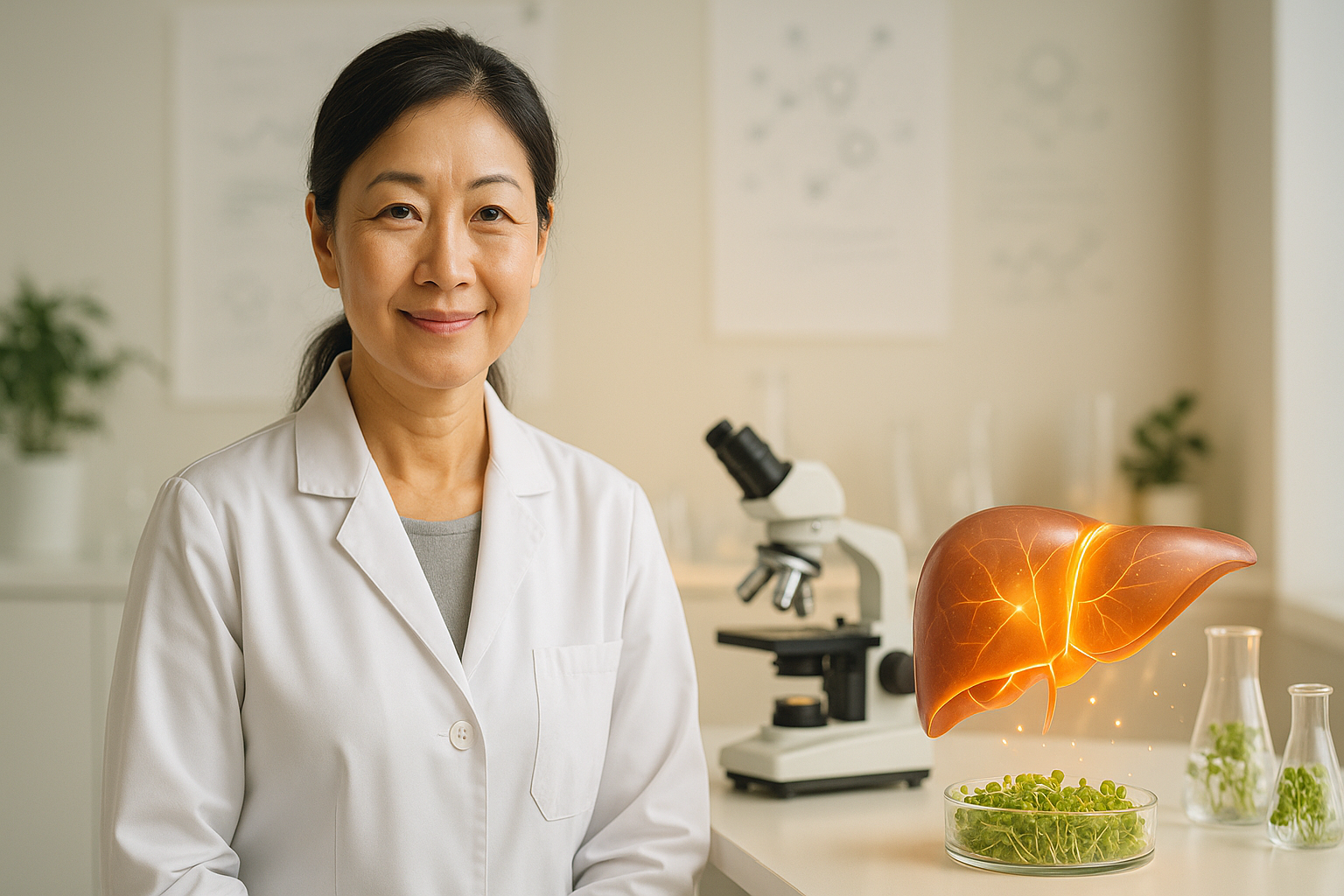
1. Why Is There Growing Interest in Broccoli Sprouts?
In recent years, "broccoli sprouts" have emerged as a trending topic in the nutritional supplement fields of Europe, the United States, and Japan. Compared to mature broccoli, these young shoots—just a few days old—may contain certain phytochemical compounds at concentrations several times to dozens of times higher.
The reason for this growing attention is that multiple studies have found that a precursor substance in broccoli sprouts—glucoraphanin—can be converted in the human body into the more active compound sulforaphane. The latter has shown, in animal and human studies, the ability to support liver detoxification pathways and modulate antioxidant responses.
Key Point: Broccoli sprouts are not a drug and cannot replace any medical diagnosis or treatment. They are simply a food ingredient or dietary supplement ingredient, and their health effects continue to be studied.
2. Mature Broccoli vs Broccoli Sprouts: Concentrated Compounds in Tiny Shoots
Mature broccoli is already recognized as a healthy vegetable, rich in dietary fiber, vitamin C, folate, and more. However, broccoli sprouts (seedlings 3-5 days after germination) show even more pronounced concentrations of certain active compounds:
- Glucoraphanin Content: Research indicates that 3-day-old broccoli sprouts can contain 10-100 times more of this compound than mature broccoli (depending on variety and growing conditions)
- Enhanced Sulforaphane Production: Young sprouts contain higher levels of myrosinase, an enzyme that facilitates the conversion of glucoraphanin to sulforaphane
- Smaller Dosage, More Convenient: Due to higher concentrations, a small amount of sprouts may provide substantial active compounds, which is why "broccoli sprout extract" capsules or powders have appeared on the market
Note: While broccoli sprouts have advantages in certain compounds, this doesn't mean mature broccoli is "useless." Mature broccoli offers more fiber, richer flavor profiles, and culinary versatility. Both can be combined according to personal needs.
3. Key Compounds: Glucoraphanin & Sulforaphane
3.1 What is Glucoraphanin?
Glucoraphanin is a phytochemical belonging to the glucosinolate family, commonly found in cruciferous vegetables (such as broccoli, cabbage, kale, etc.). It is relatively stable on its own and requires enzymatic reactions in the body to exert stronger biological activity.
3.2 The Production and Mechanism of Sulforaphane
When we chew or cut broccoli sprouts, plant cells rupture, releasing myrosinase, which reacts with glucoraphanin to produce sulforaphane.
Conversion Process:
Glucoraphanin (Storage Form)
↓
Myrosinase Action (Chewing/Cutting)
↓
Sulforaphane (Bioactive Form)
Sulforaphane is considered the primary "hero" behind the health benefits of broccoli sprouts. In cellular and animal studies, it has been found to:
- Activate the Nrf2 Pathway: Nrf2 is an important transcription factor in cells that can induce the expression of various antioxidant and detoxification enzymes
- Support Phase II Detoxification Enzymes: Such as glutathione S-transferase (GST) and NAD(P)H quinone oxidoreductase 1 (NQO1), helping the liver metabolize and clear harmful substances
- Modulate Inflammatory Response: Some research suggests sulforaphane may inhibit the release of certain pro-inflammatory factors
⚠️Important Note: Most of these mechanisms come from cellular experiments or animal models. Their actual effects in humans, required dosages, and efficacy across different populations still require more clinical research for verification.
4. Scientific Evidence: From Liver Function to Metabolic Health
While broccoli sprouts and sulforaphane are not yet mainstream first-line medical treatments, recent years have seen some clinical and epidemiological studies exploring their potential effects on liver and metabolic health.
4.1 Human Trials: Fatty Liver and Liver Function Markers
Study Case 1: Non-Alcoholic Fatty Liver Disease (NAFLD)
Study Design: A small randomized controlled trial (RCT) published in World Journal of Gastroenterology (2015) recruited subjects diagnosed with NAFLD.
Intervention: Subjects consumed a standardized dose of broccoli sprout extract (with specified sulforaphane content) daily.
Results: Compared to the control group, the intervention group showed some reduction in liver enzyme levels (such as ALT and AST) after several weeks, suggesting potential improvement in liver inflammation.
Reference: Kikuchi M, et al. World J Gastroenterol. 2015;21(43):12441–12448.
Study Case 2: Liver Detoxification Markers in Healthy Adults
Study Design: A clinical observation published in Frontiers in Nutrition (2022) included a group of healthy volunteers.
Intervention: Continuous consumption of broccoli sprout beverages or extract capsules for several weeks.
Results: Some subjects showed increased detoxification enzyme activity in their blood, and certain oxidative stress markers (such as malondialdehyde/MDA) slightly decreased.
Reference: Satomi Y, et al. Front Nutr. 2022;9:876862.
4.2 Human Trials: Blood Glucose and Metabolic Syndrome
Beyond the liver, some studies have focused on sulforaphane's effects on blood glucose regulation (the liver plays a key role in glucose metabolism):
Study Case 3: Type 2 Diabetes Patients
Study Design: Iranian researchers published a trial in Int J Food Sci Nutr (2012) recruiting a group of type 2 diabetes patients.
Intervention: Daily consumption of broccoli sprout powder.
Results: Some subjects showed improvement trends in fasting blood glucose and insulin resistance markers (HOMA-IR), though the sample size was small and requires larger-scale verification.
Reference: Bahadoran Z, et al. Int J Food Sci Nutr. 2012;63(7):767–771.
Study Case 4: Sulforaphane for Blood Glucose Control in Obese Individuals
Study Design: Collaboration between Swedish and American researchers, published in Science Translational Medicine (2017).
Intervention: High-dose broccoli sprout extract (sulforaphane) given to obese subjects with type 2 diabetes tendencies.
Results: The study found reductions in fasting blood glucose and HbA1c, suggesting potential improvement in blood glucose control by suppressing hepatic gluconeogenesis.
Reference: Axelsson AS, et al. Sci Transl Med. 2017;9(394):eaah4477.
Study Limitations:
- •Generally small sample sizes, making it difficult to fully eliminate bias
- •Large variations in intervention duration and dosage, lacking unified standards
- •Some trials lack long-term follow-up, safety and lasting effects need observation
- •Different populations (healthy, fatty liver, diabetes) may respond differently
5. Broccoli Sprouts and Liver Support: Connecting Mechanisms and Evidence
Synthesizing the previous content, we can outline the main logic chain for why broccoli sprouts are viewed as a "liver-supporting" food or supplement:
5.1 Activating Nrf2 Pathway → Enhanced Antioxidant Defense
Sulforaphane is considered one of the natural activators of Nrf2 (Nuclear factor erythroid 2-related factor 2). When Nrf2 is activated, it induces the expression of a series of antioxidant and detoxification enzyme genes, including:
- •Glutathione-related enzymes (such as GST, GPx)
- •Superoxide dismutase (SOD) and Catalase (CAT)
- •Heme oxygenase-1 (HO-1) and others
These enzymes play a role in the liver by neutralizing free radicals and reducing oxidative stress, potentially decreasing hepatocyte damage.
5.2 Supporting Phase II Detoxification → Accelerated Harmful Substance Metabolism
The liver's detoxification process typically occurs in two phases:
- •Phase I: Converts lipid-soluble toxins into intermediates via cytochrome P450 enzymes (sometimes making them more reactive/toxic)
- •Phase II: Conjugates Phase I products with glutathione, sulfate, or glucuronic acid, making them water-soluble for easier excretion
Sulforaphane can upregulate Phase II detoxification enzymes (such as GST, UGT, NQO1), helping the liver complete toxin metabolism faster and more safely, reducing damage from accumulated intermediates.
5.3 Modulating Inflammation and Cell Protection
Some research suggests sulforaphane may inhibit the activation of NF-κB (nuclear factor kappa B) and other pro-inflammatory pathways, reducing the release of inflammatory factors (such as TNF-α, IL-6), which may alleviate inflammation associated with chronic liver injury or fatty liver.
Additionally, sulforaphane may protect hepatocyte mitochondrial function through various pathways, maintaining stable cellular energy metabolism and further reducing the risk of hepatocyte apoptosis or necrosis.
Summary
From a theoretical mechanism perspective, sulforaphane in broccoli sprouts indeed has multiple pathways that may support liver health. However, mechanistic research does not equal clinical cure. In practical application, individual differences, dosage safety, long-term effects, and other factors must still be considered.
6. Food vs Supplements: How to Consume Scientifically
6.1 Direct Consumption of Fresh Broccoli Sprouts
Advantages:
- •Natural food source, contains dietary fiber, vitamins, and minerals in addition to sulforaphane
- •Fresh sprouts retain myrosinase, which naturally converts to sulforaphane when chewed
- •Relatively high safety profile when consumed as part of a regular diet
Challenges:
- •Fresh sprouts are difficult to preserve and prone to spoilage or bacterial contamination (food safety requires special attention)
- •Consumption amounts and active compound concentrations may vary considerably
- •Some people dislike the pungent or bitter taste of sprouts
6.2 Broccoli Sprout Extract (Supplement Form)
Advantages:
- •Standardized dosage, with relatively consistent sulforaphane content per capsule or serving of powder
- •Convenient to carry and store long-term, not limited by season or freshness
- •Some products add myrosinase or use special processes to ensure sulforaphane bioavailability
Considerations:
- •Choose trusted brands and products to ensure raw materials and production processes meet standards
- •Different products may vary in sulforaphane content and form (free or precursor); check labels when purchasing
- •While supplements are convenient, they cannot completely replace other nutrients from a balanced diet
6.3 Dosage and Frequency Recommendations
There is currently no official "daily recommended intake" standard. Different studies have used dosages ranging from tens to two to three hundred milligrams of sulforaphane per day.
General Recommendations:
- •If choosing fresh sprouts, about 50-100 grams per day, combined with other vegetables
- •If using supplements, follow product label instructions or consult a healthcare professional/nutritionist
- •Before long-term or high-dose use, it's best to undergo a health assessment to rule out contraindications
7. Safety and Precautions
7.1 General Safety
For most healthy adults, moderate consumption of broccoli sprouts or intake of standard doses of broccoli sprout extract is generally considered relatively safe. However, extra caution is needed in the following situations:
⚠️ Thyroid Issues
Cruciferous vegetables contain glucosinolates, and excessive intake may interfere with thyroid iodine absorption (goitrogenic effect). If you have hypothyroidism or are taking thyroid medication, use with caution under medical guidance.
⚠️ Anticoagulant Drug Interactions
Broccoli sprouts contain certain amounts of vitamin K, which may affect the efficacy of anticoagulants like warfarin. If taking such medications, please consult your doctor before supplementing.
⚠️ Pregnancy and Breastfeeding
While cruciferous vegetables are generally healthy foods, safety data for high-dose supplements during pregnancy and breastfeeding is limited. Pregnant or breastfeeding women should consult their doctor before use.
⚠️ Digestive Sensitivity
Some people may experience bloating, diarrhea, or mild discomfort after consumption, related to sulfur compounds or fiber in cruciferous vegetables. If severe discomfort occurs, discontinue use and seek medical attention.
7.2 Food Safety: Bacterial Risk in Fresh Sprouts
Fresh sprouts (including broccoli sprouts) grow in warm, moist environments and are prone to bacterial contamination (such as Salmonella, E. coli). The U.S. FDA and multiple food safety agencies have issued warnings about sprout safety:
- •Purchase from reputable suppliers and check expiration dates and storage conditions
- •Wash thoroughly before consumption; if possible, lightly heat treat (though heating destroys some myrosinase)
- •High-risk groups including immunocompromised individuals, elderly, pregnant women, and young children should be cautious with raw sprouts
7.3 Cannot Replace Medical Treatment
⚠️ Important Disclaimer
Broccoli sprouts or sulforaphane are not drugs and cannot replace any legitimate medical diagnosis or treatment. If you have been diagnosed with liver disease (such as hepatitis, cirrhosis, liver cancer, etc.) or suspect liver problems, please seek medical attention promptly and follow medical advice for treatment.
The expressions "support liver health" or "daily maintenance" in this article refer only to maintaining normal liver function in healthy or sub-health states through reasonable diet or nutritional supplementation, not treating disease.
References
- Kikuchi M, et al. Sulforaphane-rich broccoli sprout extract improves hepatic abnormalities in male subjects. World J Gastroenterol. 2015;21(43):12441–12448.[PubMed]
- Satomi Y, et al. Effect of Broccoli Sprouts on the Detoxification Enzyme System in Healthy Volunteers. Front Nutr. 2022;9:876862.[Full Text]
- Bahadoran Z, et al. Broccoli sprouts reduce oxidative stress in type 2 diabetes: a randomized double-blind clinical trial. Int J Food Sci Nutr. 2012;63(7):767–771.[PubMed]
- Axelsson AS, et al. Sulforaphane reduces hepatic glucose production and improves glucose control in patients with type 2 diabetes. Sci Transl Med. 2017;9(394):eaah4477.[DOI]
- Yan T, et al. Sulforaphane in liver diseases: a literature review of its therapeutic mechanisms and clinical effects. Front Pharmacol. 2023;14:1256029.[Full Text]
- Baralić I, et al. Safety and Toxicology of Sulforaphane: A Review. Int J Mol Sci. 2024;25(1):416.[Full Text]
- Houghton CA. Sulforaphane: Its "Coming of Age" as a Clinically Relevant Nutraceutical in the Prevention and Treatment of Chronic Disease. Oxid Med Cell Longev. 2016;2016:7857186.[PubMed]
- Cascajosa-Lira A, et al. Sulforaphane and its effects on the cellular and molecular mechanisms related to liver health. Toxicol Lett. 2024;395:1-14.[ScienceDirect]
- U.S. FDA. Guidance for Industry: Reducing Microbial Food Safety Hazards for Sprouted Seeds.[FDA Website]
- Colorado State University Extension. Safe Handling of Raw Produce and Fresh-Squeezed Fruit and Vegetable Juices.[CSU Extension]
- UC Agriculture & Natural Resources. Growing Sprouts at Home. Publication 8151.[PDF]
- Healthline. Broccoli Sprouts: Benefits, Nutrition, and How to Eat Them.[Article]
Download the full scientific whitepaper
If you are a distribution partner or healthcare professional, you can download the LivBoss whitepaper "Broccoli Sprouts and Daily Liver Support: A Scientific Overview" for more details on research background and formula design logic.
Download whitepaper (PDF)Disclaimer
The content of this article is for educational purposes and general reference only and does not constitute medical advice or professional guidance. The research findings mentioned may have limitations due to sample size, methodological differences, and other factors. Readers should consult a qualified healthcare professional before considering the use of broccoli sprouts or related supplements. LivBoss and the author(s) of this article assume no responsibility for any direct or indirect consequences arising from the use of the information in this article.