
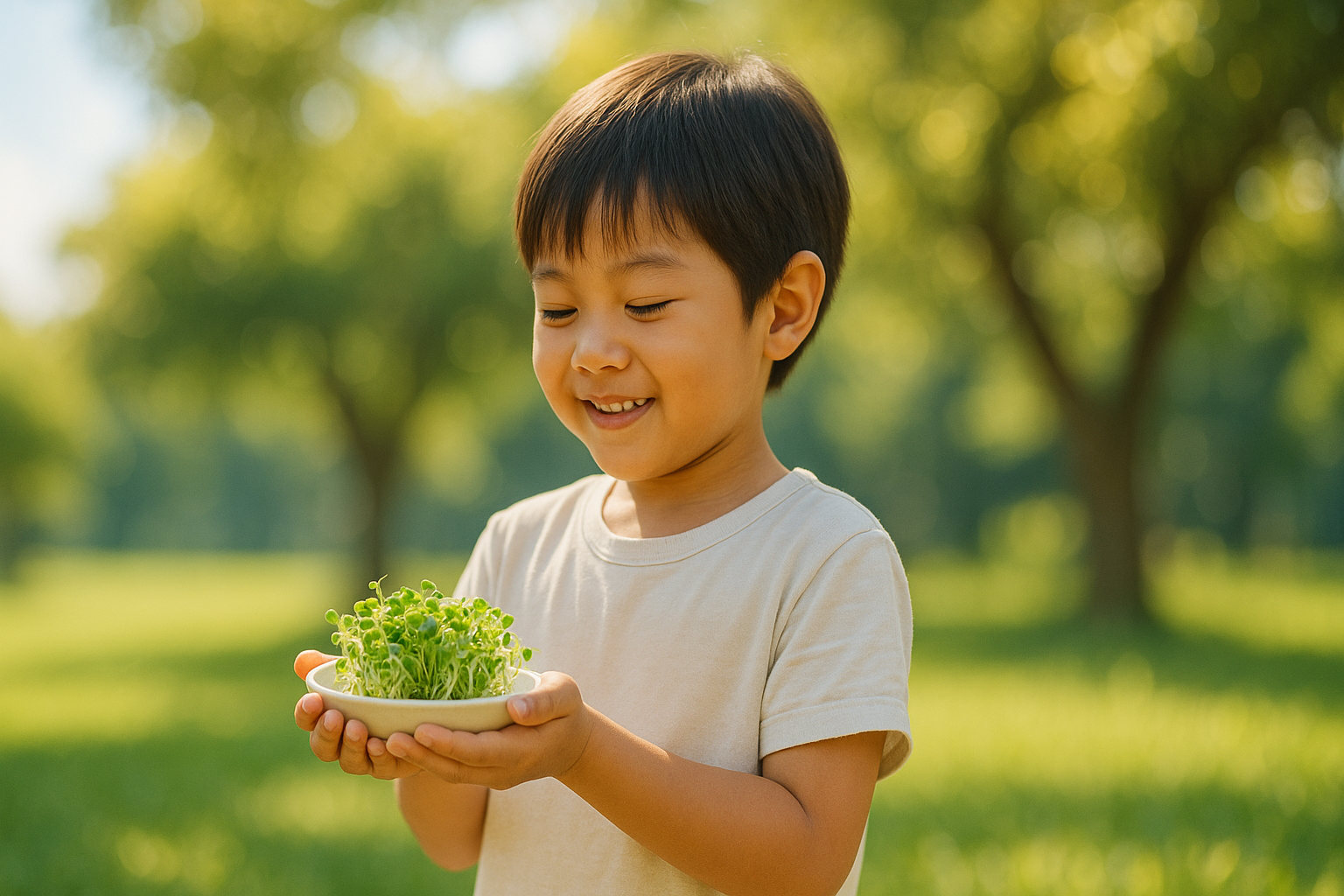
Broccoli Sprouts: Tiny Shoots with Surprisingly Big Power
Broccoli sprouts may be only a few centimeters long, but in the field of nutrition and bioactive compound research, these tiny shoots have garnered growing scientific attention.
Compared to mature broccoli florets, these young seedlings—harvested just days after germination—are rapidly synthesizing a variety of phytochemical defense compounds. Chief among them is what researchers often highlight: sulforaphane.
This article will walk you through:
- What broccoli sprouts are, and how they differ from mature broccoli
- The key bioactive compounds—glucoraphanin and sulforaphane
- What current research suggests about potential health benefits (antioxidant, detoxification, cardiovascular, metabolic, immune, and gut health)
- Safety considerations and precautions for general consumption
- Practical tips for incorporating broccoli sprouts into your daily diet
Important Note
This article is for educational purposes only and does not replace medical diagnosis or treatment. If you have liver disease, gastrointestinal conditions, chronic illnesses, or are taking medications, please consult a healthcare professional before making dietary changes or using broccoli sprout supplements.
1. What Are Broccoli Sprouts? How Do They Differ from Mature Broccoli?
Broccoli sprouts are the young seedlings of broccoli, typically harvested about 3–5 days after germination. They look similar to alfalfa or radish sprouts:
- White, thread-like stems and roots topped with two small green cotyledon leaves;
- Crisp texture with a mildly pungent, slightly peppery flavor;
- Commonly used in salads, sandwiches, grain bowls, or as a garnish.
Compared to mature broccoli, the main differences are:
1.1 Growth Stage
- Broccoli sprouts: Early seedling phase, just emerged from germination;
- Mature broccoli: Fully grown plant with thick stalks and dense florets.
1.2 Nutritional Composition
Research indicates that broccoli sprouts are generally low in calories, low in fat, and relatively higher in protein. They also contain dietary fiber, vitamin C, vitamin A, calcium, iron, and other essential nutrients.
1.3 Most Significant Difference: Bioactive Compound Concentration
Multiple analyses have shown that broccoli sprouts contain certain sulfur-containing compounds—especially glucoraphanin—at concentrations that can be 10 to nearly 100 times higher than in mature broccoli. This abundance of bioactive compounds is why broccoli sprouts have become such a focal point in research.
2. Core Components: From Glucoraphanin to Sulforaphane
2.1 A Plant's Natural Defense Mechanism
Cruciferous vegetables (broccoli, cabbage, kale, etc.) contain a class of special compounds called glucosinolates. In broccoli sprouts, the most prominent of these is glucoraphanin.
From the plant's perspective, these compounds serve as "chemical defenses" to ward off insects and pathogens. For humans, however, once activated in the body, these compounds may offer various health-promoting effects.
2.2 What Happens When You Chew?
When you chew, chop, or crush broccoli sprouts:
- Plant cells rupture, releasing an enzyme called myrosinase;
- Myrosinase interacts with glucoraphanin and converts it into the more bioactive form, sulforaphane;
- Certain gut bacteria can also perform this conversion, meaning even if cooking destroys some of the enzyme, sulforaphane can still be produced in the body.
2.3 Sulforaphane: Activating the Body's Defense System
Numerous cellular and animal studies suggest that sulforaphane can activate a critical signaling pathway: the Nrf2–ARE pathway. Think of this pathway as a "master switch" for cellular self-protection:
- It upregulates various antioxidant enzymes (such as NQO1, HO-1, etc.) to help neutralize free radicals;
- It enhances the cell's ability to detoxify, reduce inflammation, and resist stress;
- It helps regulate metabolism, cellular repair, and the expression of genes associated with chronic disease.
This is the fundamental scientific basis for viewing broccoli sprouts as a "functional food."
3. What Does Current Research Suggest?
Most studies discussed below use fresh broccoli sprouts, sprout powder, or extracts rich in glucoraphanin/sulforaphane. Research is ongoing, and findings should be viewed as "promising directions" rather than "proven medical treatments."
3.1 Antioxidant & Detoxification: Coping with Environmental Stress
Some clinical trials have found that daily consumption of broccoli sprout preparations rich in glucoraphanin/sulforaphane can promote the excretion of certain pollutants and potentially carcinogenic metabolites, including:
- Precursors to carcinogens found in certain foods;
- Harmful compounds from air pollution, such as benzene and acrolein.
These studies suggest that broccoli sprouts may help the body eliminate certain environmental toxins more efficiently, offering an interesting dietary strategy for coping with modern environmental stressors.
3.2 Cardiovascular & Metabolic Health: Insights for Those with "Three Highs"
Small-scale clinical trials and meta-analyses involving people with metabolic syndrome, high blood pressure, or being overweight have shown:
- After several weeks to months of consuming broccoli sprouts or extracts, systolic blood pressure, fasting glucose, and certain lipid markers showed modest but statistically significant improvements;
- Given the small sample sizes and varied interventions, these results provide preliminary evidence that broccoli sprouts may support cardiovascular and metabolic health.
It's important to emphasize:
- The effects are typically supplementary and modest;
- They cannot replace prescribed antihypertensives, diabetes medications, or other medical treatments;
- The most important factors remain overall diet quality, weight management, and regular physical activity.
3.3 Inflammation & Immunity: From Inflammatory Markers to Vaccine Response
In some human studies, broccoli sprout consumption has been associated with:
- Overweight individuals consuming about 30 grams of fresh broccoli sprouts daily for 2–3 months showed declining trends in inflammatory markers such as CRP and IL-6;
- In a study using a live attenuated influenza nasal spray vaccine, sulforaphane-rich broccoli sprout preparations appeared to enhance certain immune cell responses.
These results suggest that sulforaphane may help balance oxidative stress and immune pathways, supporting a "not overactive, yet responsive" immune system.
3.4 Gut & Brain Health: Emerging Research Directions
Recent reviews highlight an interactive relationship between glucoraphanin/sulforaphane and the gut microbiome:
- Certain gut bacteria can help further convert glucoraphanin into sulforaphane;
- Sulforaphane may help reduce oxidative stress and inflammation in the gut, potentially supporting gut barrier function and microbial balance.
Additionally, laboratory research has explored its potential in neurodegenerative diseases and cognitive decline, such as demonstrating antioxidant and neuroprotective effects in Alzheimer's disease models. However, this field is currently dominated by cellular and animal studies, with clinical evidence still limited.
4. Safety: Is It Safe for Most People?
4.1 Generally Safe in Food Form
Consuming fresh broccoli sprouts or normal culinary amounts has been generally recognized as safe based on existing research and long-term dietary experience.
In some clinical trials, participants consumed:
- 20–40 grams of fresh broccoli sprouts daily, or
- Extracts containing equivalent amounts of glucoraphanin/sulforaphane,
with the most common side effects being:
- Mild gastrointestinal discomfort (such as bloating, mild diarrhea, or increased belching);
- Occasional temporary changes in breath or stool odor.
These symptoms typically resolve after discontinuation or dose reduction.
4.2 Food Safety Risks of Raw Sprouts
It's important to note: All raw sprouts (not just broccoli sprouts) carry some risk of microbial contamination, including Salmonella, E. coli, and Listeria.
Therefore, the following groups are generally advised to avoid or be cautious with raw sprouts:
- Pregnant women, elderly individuals, and immunocompromised persons;
- Those undergoing chemotherapy or long-term immunosuppressive therapy.
To reduce microbial risk, consider:
- Purchasing from reputable sources with good cold-chain management;
- If growing at home, strictly maintain clean equipment and water;
- For high-risk groups, lightly steam or quickly stir-fry before consuming, rather than eating completely raw.
4.3 Extra Caution with Supplements
The market also offers "broccoli sprout extract" or "sulforaphane capsules" as dietary supplements. Compared to whole foods, supplements are often more concentrated and contain more isolated compounds, requiring particular caution in the following situations:
- When taking anticoagulants, anti-seizure medications, or other chronic disease medications, there may be potential metabolic pathway interactions;
- For pregnant and breastfeeding women, current safety data is insufficient; it's better to focus on vegetables in a normal diet rather than high-dose supplements.
If planning long-term use of high-concentration extracts, consult a physician or nutrition professional first.
5. How to Best Incorporate Broccoli Sprouts into Your Daily Diet?
5.1 Simple Reference Amount: Starting with "A Small Handful"
Most research uses amounts roughly equivalent to:
- About 20–30 grams (roughly a small handful) of fresh broccoli sprouts daily, or
- Adding a layer of sprouts to salads, sandwiches, or rice bowls several times a week.
For generally healthy individuals, precise measurement isn't necessary. Think of broccoli sprouts as one component of a diverse vegetable intake, with the key being: long-term, moderate consumption within a balanced diet.
5.2 Raw vs. Cooked: Balancing Bioactivity and Safety
- Raw: Preserves more myrosinase and vitamins, promoting sulforaphane production;
- Lightly steamed or quick stir-fried: Significantly reduces microbial risk while retaining bioactive compounds.
Practical tips:
- If heating is needed, try chopping the sprouts and letting them sit for 5–10 minutes before cooking. This allows myrosinase time to convert glucoraphanin to sulforaphane;
- Avoid prolonged boiling or deep-frying, which can substantially reduce water-soluble vitamins and bioactive compounds;
- You can also pair with small amounts of other raw cruciferous vegetables or mustard seeds to provide an additional myrosinase source.
5.3 Pair with Liver- and Metabolism-Friendly Overall Diet
No matter how "powerful" broccoli sprouts are, they cannot single-handedly offset the stress from high-fat, high-sugar diets, chronic sleep deprivation, and lack of exercise. To truly benefit, it's more important to:
- Control total caloric intake, reduce sugary beverages, fried foods, and refined carbohydrates;
- Ensure adequate intake of vegetables, fruits, quality protein, and whole grains;
- Exercise regularly, reduce sedentary time, and maintain healthy weight and waist circumference;
- Especially for those focused on "liver protection," the above lifestyle factors are far more critical than any single compound.
6. Who Should Exercise Extra Caution?
If you fall into any of the following categories, consult a physician before intentionally increasing broccoli sprout intake or using high-concentration extracts:
- Diagnosed liver disease, kidney disease, inflammatory bowel disease, or other chronic conditions;
- Long-term use of anticoagulants, anti-seizure medications, immunosuppressants, or other prescription drugs;
- Pregnant, breastfeeding, or planning pregnancy in the near future;
- History of significant allergies or intolerance to cruciferous vegetables (such as broccoli, cabbage, etc.).
7. Summary: A Small Addition with Potential Big Benefits
- Despite their small size, broccoli sprouts are rich in protein, dietary fiber, and various vitamins and minerals;
- More importantly, they contain high concentrations of glucoraphanin, which, through chewing and gut activity, converts to sulforaphane—a compound that can activate cellular antioxidant and detoxification systems, making it a continued focus in research;
- Multiple preliminary clinical studies suggest potential benefits in cardiovascular and metabolic health, inflammation regulation, detoxification, and immune support, though currently they are best viewed as supplementary nutritional and lifestyle factors, not replacements for medication;
- For most healthy individuals, incorporating moderate amounts of broccoli sprouts into daily meals is a simple way to increase vegetable diversity and enhance overall diet quality.
If you're designing a more "liver-friendly, health-supportive" lifestyle for yourself or your family, consider adding a touch of green from broccoli sprouts to your plate—then combine it with adequate sleep, balanced nutrition, and regular exercise. Together, these elements represent the true "power of nature" worth maintaining long-term.
Further Reading
- Healthline. What Are Broccoli Sprouts? Nutrients, Benefits, and Recipes.
https://www.healthline.com/nutrition/broccoli-sprouts - WebMD. Health Benefits of Broccoli Sprouts.
https://www.webmd.com/diet/health-benefits-broccoli-sprouts - Houghton CA. Sulforaphane: Its "Coming of Age" as a Clinically Relevant Nutraceutical in the Prevention and Treatment of Chronic Disease. Nutrients. 2019.
https://www.ncbi.nlm.nih.gov/pmc/articles/PMC6815645/ - Yagishita Y et al. Broccoli or Sulforaphane: Is It the Source or Dose That Matters? Nutrients. 2019.
https://www.ncbi.nlm.nih.gov/pmc/articles/PMC6804255/