
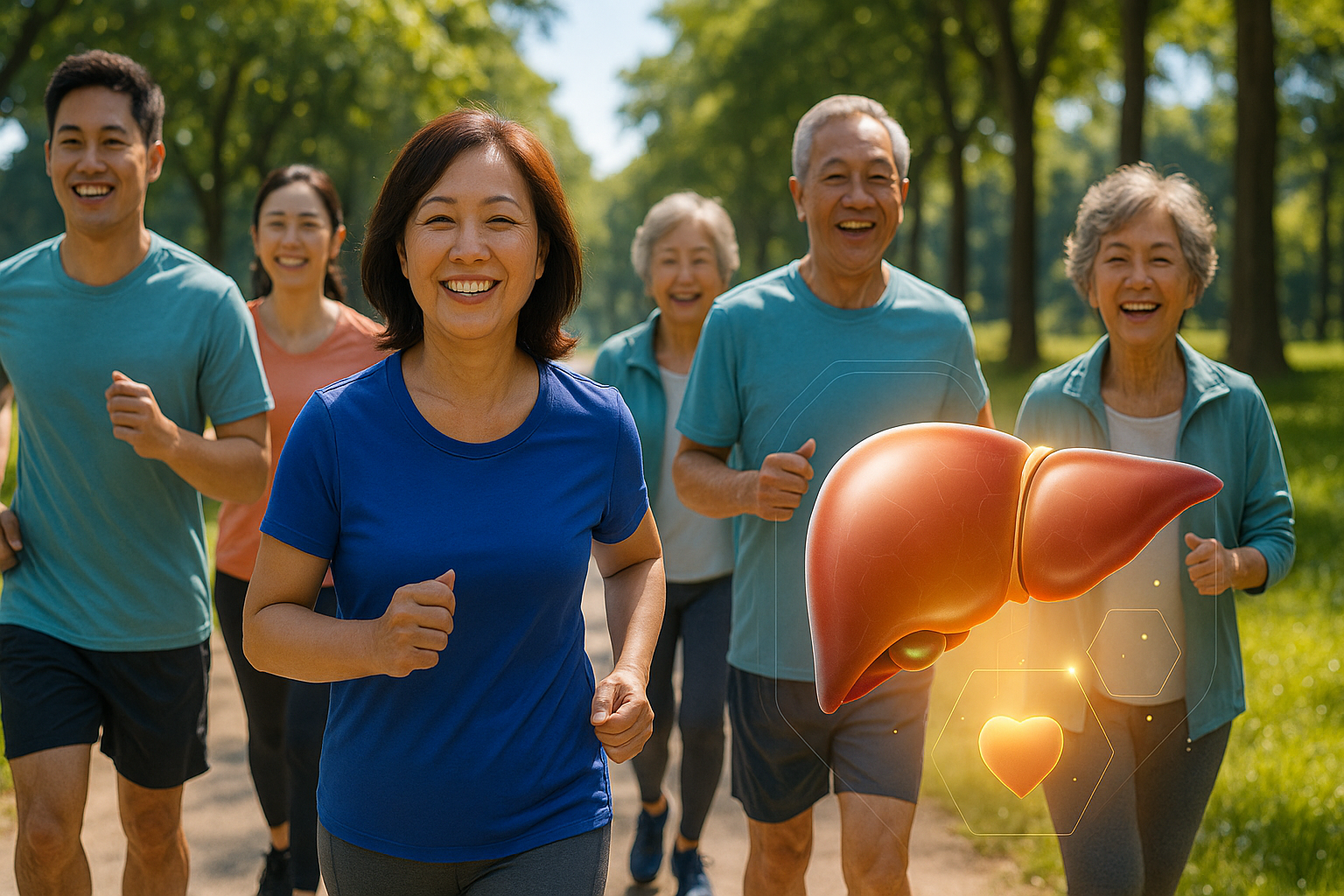
Every day, your liver silently processes nutrients, metabolizes toxins, and aids in digestion—it's one of the key organs that keeps your body running smoothly.
It doesn't cry out in pain or complain; by the time it "goes on strike," the damage is often already severe.
This article will explain, in the simplest terms possible:
- Where your liver is located and why it's so important
- What critical jobs it performs every day
- Why many liver diseases have almost no symptoms in the early stages
- Which everyday habits are quietly harming your liver
- Simple things you can start doing today to protect your liver
1. Where Is Your Liver? Why Is It Important?
- The liver is located in the upper right abdomen, just below the right ribs, like a "red shield" sitting above your stomach and gallbladder.
- It's the largest solid internal organ in the human body, weighing approximately 1.2–1.5 kg (2.6–3.3 lbs) in adults—about the size of a football.
- Almost all blood absorbed from the digestive tract must first flow through the liver before being distributed to the rest of the body.
- Medical studies show that the liver is involved in over 500 physiological functions—truly a multitasking powerhouse.
Think of your liver as:
CPU + Chemical Plant + Warehouse + Filter
Without it running smoothly, you wouldn't have stable energy or a safe internal environment.
2. Core Functions Your Liver Performs Daily
1. Metabolic Control Center: Managing Sugars, Fats, and Proteins
Blood Sugar Regulation:
- When you eat, your liver stores excess glucose as glycogen;
- During fasting or exercise, it breaks down glycogen back into glucose to maintain stable blood sugar;
- It can also produce new glucose from lactate, glycerol, and certain amino acids through "gluconeogenesis."
Fat Processing:
- Synthesizes and breaks down cholesterol and triglycerides;
- Produces lipoproteins, which influence blood lipid levels and cardiovascular disease risk.
Protein Metabolism:
- Synthesizes many plasma proteins, such as albumin and clotting factors;
- Breaks down excess amino acids and converts toxic ammonia into urea, which is excreted in urine.
If the body were a company, the liver would be Finance + Production + Warehouse all rolled into one control center.
2. Detoxification & Filtration: Processing the "Dirty Stuff"
- Your liver acts like a large "filtration station," filtering massive amounts of blood from the gut and the rest of the body 24/7;
- It metabolizes alcohol, medications, hormones, and environmental chemicals, transforming them into forms easier to excrete;
- Helps clear bacterial debris and certain metabolic wastes, maintaining a stable internal environment.
This is why:
- Heavy drinking "significantly increases liver burden";
- Some medications "should not be combined with alcohol," and shouldn't be taken excessively or long-term without supervision.
3. Bile Production: Helping Digest Fats
- The liver produces about 800–1000 ml of bile daily, which travels through bile ducts to the gallbladder and small intestine;
- Bile acts like "natural dish soap," emulsifying and absorbing fats and fat-soluble vitamins (A/D/E/K);
- It also helps excrete some cholesterol and metabolic waste products.
When bile excretion is chronically impaired, you may experience:
- Yellowing of the skin and whites of the eyes (jaundice);
- Dark urine and pale-colored stools;
- Itchy skin.
4. Storage Depot & Immune Sentinel
Nutrient Storage:
- Stores glycogen as a backup energy reserve;
- Stores certain vitamins (especially fat-soluble ones) and minerals (such as iron and copper).
Immunity & Blood Clotting:
- Immune cells in the liver can clear bacteria and foreign substances entering the portal vein system;
- Synthesizes multiple clotting factors involved in blood coagulation.
When liver function is significantly impaired, you may notice:
- Easy bruising, gum bleeding, frequent nosebleeds;
- Large bruises from minor bumps;
- Prolonged bleeding from wounds.
3. How Common Are Liver Diseases?
Global Burden of Liver Disease
- WHO data shows that approximately 2 million people die annually from liver-related diseases (including cirrhosis, liver cancer, hepatitis, etc.);
- Liver cancer is highly prevalent in many countries and ranks as the third leading cause of cancer death globally.
Viral Hepatitis
- Worldwide, about 350 million people are chronically infected with Hepatitis B or C virus, and long-term carriers are at risk of developing cirrhosis or liver cancer;
- In China, the number of Hepatitis B carriers is substantial. While not all will develop disease, regular monitoring is necessary.
Non-Alcoholic Fatty Liver Disease (NAFLD)
- Has been rapidly increasing in recent years, closely linked to obesity, diabetes, and metabolic syndrome;
- Even non-drinkers can develop fatty liver due to diet, sedentary lifestyle, and excess weight;
- Some cases progress to non-alcoholic steatohepatitis (NASH), liver fibrosis, or even cirrhosis.
Liver disease is closer than you think!
From fatty liver to hepatitis, from viral infections to alcohol and drug-induced damage—various factors can burden your liver.
4. Why Is the Liver Called the "Silent Engine"?
1. No Pain Nerves in the Liver
- The liver tissue itself has no pain nerves, so early damage doesn't trigger pain signals like stomach aches or toothaches;
- Only when the liver capsule is stretched or surrounding tissues are compressed might you feel a dull ache or discomfort in the upper right abdomen;
- By then, liver disease has often progressed significantly (such as liver enlargement, tumors, or severe inflammation).
2. Exceptional Compensatory Capacity
- The liver has tremendous reserve capacity—even if some cells are damaged, the remaining healthy cells can still maintain function;
- Many people discover "elevated liver enzymes" or "fatty liver" during routine checkups, having had no symptoms beforehand;
- By the time obvious symptoms appear (fatigue, nausea, bloating, jaundice), liver function may already be 60–70% compromised or worse.
Precisely because the liver is so resilient, many people don't realize it's slowly "getting sick"
until it "breaks down," often missing the optimal intervention window.
Regular checkups are crucial!
5. Common Liver-Harming Habits in Daily Life
1. Excessive Alcohol Consumption
- The liver must metabolize over 90% of ingested alcohol;
- Chronic, heavy drinking can lead to alcoholic fatty liver → alcoholic hepatitis → fibrosis/cirrhosis;
- Even moderate drinking burdens the liver—the less, the better.
2. High-Calorie, High-Fat Diet
- Frequent consumption of fried foods, sweets, and sugary drinks can cause abnormal blood lipids and blood sugar;
- Excess fat accumulates in the liver, leading to fatty liver, which can progress to hepatitis or fibrosis;
- Obesity and metabolic syndrome are also major drivers of liver disease.
3. Lack of Exercise and Prolonged Sitting
- Prolonged sitting leads to reduced calorie expenditure, making it easier to accumulate visceral fat;
- Lack of physical activity also impairs blood sugar and lipid regulation, increasing the liver's metabolic burden.
4. Misusing Medications and Supplements
- The liver metabolizes almost all medications—improper use (overdosing, mixing medications, long-term misuse) can cause drug-induced liver injury;
- Some supplements or folk remedies may contain substances harmful to the liver;
- Follow your doctor's prescriptions and don't believe in "miracle cures"—basic principles for protecting your liver.
5. Neglecting Hepatitis Screening and Vaccines
- Both Hepatitis B and C viruses can spread through blood, mother-to-child transmission, etc.;
- If unvaccinated against Hepatitis B or have high-risk exposure (tattoos, shared needles, blood transfusions, etc.), get screened early;
- If untreated, chronic infections may develop into serious liver disease within 10–20 years.
Key Reminder:
While staying up late and stress affect overall metabolism and immunity, the main direct liver-damaging factors are:
Alcohol, poor diet, obesity, viral infections, and drug misuse.
6. What You Can Do Today to Protect Your Liver
1. Diet: Choose Natural, Balanced, Low-Fat, Low-Sugar Foods
- Eat more fresh vegetables, fruits, and whole grains to increase dietary fiber;
- Choose high-quality protein sources (fish, beans, lean meats), reduce red and processed meats;
- Limit fried, sautéed, sugary drinks, and desserts to prevent fat accumulation;
- Some research suggests broccoli sprout extract (e.g., sulforaphane) may help activate liver detox enzymes, but it cannot replace a healthy diet or medical treatment—consider it only as an extra nutritional supplement.
2. Exercise: Maintain Regular Aerobic Activity
- At least 150 minutes of moderate-intensity exercise per week (such as brisk walking, jogging, swimming, cycling);
- Exercise helps reduce visceral fat and improve insulin sensitivity, lowering fatty liver risk;
- For those with existing fatty liver, proper exercise + dietary control can significantly improve liver fat content.
3. Quit Alcohol or Strictly Limit Drinking
- If you already have liver disease (or high-risk factors), complete abstinence is best;
- Even for healthy individuals, alcohol consumption should be extremely moderate—the WHO reminds us there's no absolutely safe level of alcohol consumption.
4. Use Medications Carefully, Don't Overuse Supplements
- Only use medications when necessary, strictly follow your doctor's dosage and duration;
- Don't self-combine multiple medications or supplements to avoid overburdening your liver;
- For chronic disease patients on long-term medication, regular liver function monitoring is recommended.
5. Get Vaccinated and Have Regular Checkups
- Those without immunity should get the Hepatitis B vaccine as soon as possible (especially newborns and high-risk groups);
- Regular checkups should include liver function tests, Hepatitis B panel, abdominal ultrasound, etc., for early detection and treatment;
- If you have chronic hepatitis or cirrhosis, follow your doctor's advice for regular monitoring and antiviral therapy.
Liver health isn't about "quick fixes," it's about long-term lifestyle adjustments:
balanced diet, regular exercise, avoiding harmful substances, routine checkups.
These seemingly ordinary habits are the true "liver protection formula."
7. When to See a Doctor Immediately
While early liver damage often has no symptoms, if you experience any of the following, seek medical attention promptly:
- Yellowing of the skin or whites of the eyes (jaundice);
- Dark urine (tea-colored) and pale-colored stools;
- Persistent fatigue, loss of appetite, nausea, vomiting;
- Abdominal bloating, upper right abdominal discomfort;
- Unexplained weight loss;
- Easy bruising or bleeding, increased gum bleeding;
- Ascites (abdominal swelling), leg edema;
- Itchy skin, spider angiomas, palmar erythema.
Important Warning:
If you develop jaundice, ascites, or altered consciousness (hepatic encephalopathy)—signs of severe liver dysfunction—
go to the emergency room immediately. Don't delay!
8. Summary: Take Good Care of Your "Liver Partner"
Your liver silently filters blood, metabolizes nutrients, detoxifies, and stores energy every day—it's truly a "silent engine."
But precisely because it's so resilient and silent, we often neglect caring for it.
Starting today, try these simple habits:
- Balanced diet, low in fat and sugar, eat more vegetables, fruits, and whole grains;
- Maintain regular exercise, at least 150 minutes of moderate activity weekly;
- Quit or strictly limit alcohol, don't overburden your liver;
- Use medications carefully, don't overuse supplements, follow prescriptions and monitor liver function regularly;
- Get regular checkups and vaccinations, early detection and intervention prevent future problems.
Liver health isn't built overnight—it's the result of accumulated daily lifestyle choices.
Treating it well means treating your long-term health and quality of life well.
Remember: Prevention is always better than cure!
Even if your liver function is normal now, don't get complacent.
Eat well, exercise regularly, get checkups—that's the best gift you can give your liver.